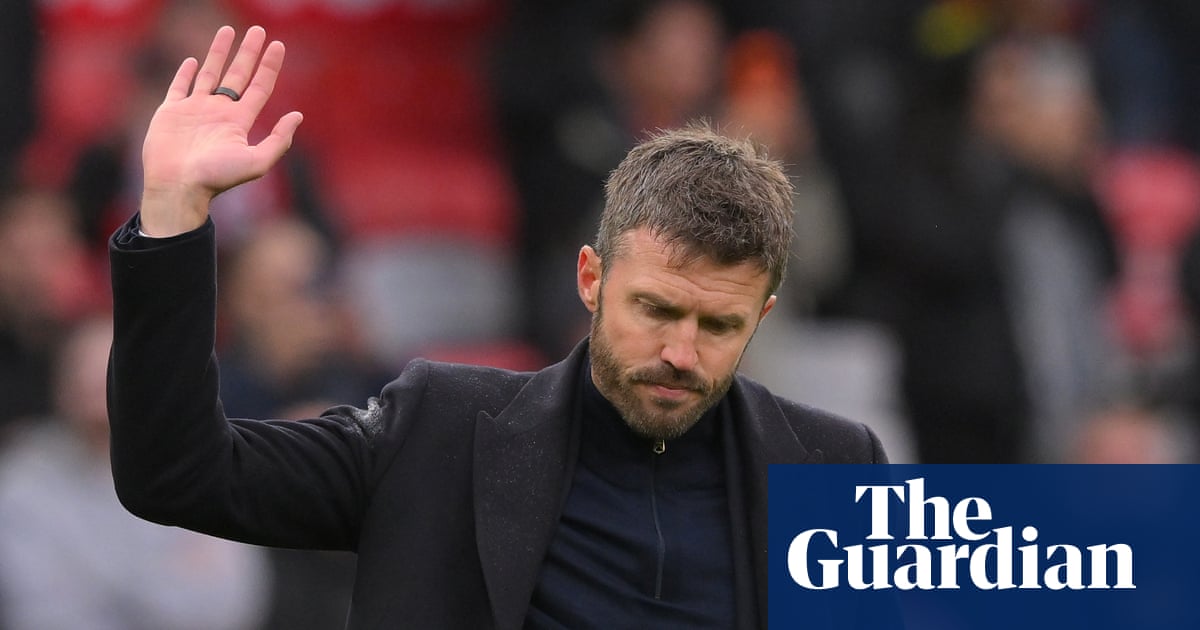
Carrick's Bold Call Backfires as United Stumble Again
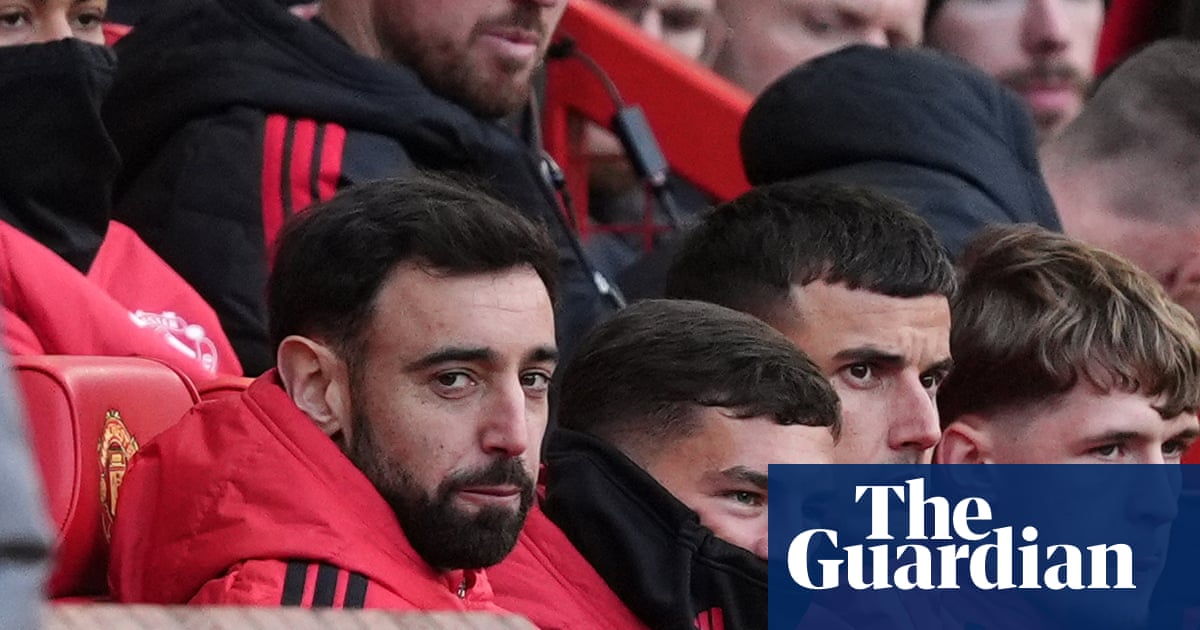
Leaving your captain on the sidelines is always a risky gamble, especially when that captain has been the glue holding the squad together for years. Michael Carrick faced a daunting task when he opted to drop Bruno Fernandes for the clash against Bournemouth, a choice that, unfortunately for him, backfired spectacularly.
Carrick insisted his decision was purely tactical, but the fallout from Fernandes’ open criticism after the defeat to Como must have weighed heavily on his mind. It was clear there was tension between the two, as Carrick appeared to disagree with Fernandes’ assessment of the team’s pressing issues in the Champions League. Meanwhile, Lisandro Martínez kept his spot despite recently voicing his frustrations about the club’s management.
This season has seen Fernandes struggle to find his form, boasting just three goals and one assist in the Premier League, all coming in a single match against Ipswich. With so many players vying for the No. 10 role, Carrick could have made a case for giving someone else a chance. However, with the entire squad underperforming, keeping an irked Fernandes on the pitch might have been the safer bet. Statistically, United's success rate plummets without him; they’ve won less than one-third of the matches he’s missed since joining in 2020.
Critics often point to Fernandes’ body language when things go awry, interpreting his visible frustration as a sign of poor attitude. Yet, this is simply how he demonstrates his passion for the game. While he may not embody the leadership style of legends like Bryan Robson or Roy Keane, he certainly sets a standard, as highlighted by a banner in the Stretford End showcasing former captains alongside the word ‘STANDARDS’. Currently, those standards are dwindling, and the team is stuck in mid-table mediocrity, plagued by a lack of motivation.
The play on the pitch was sluggish and uninspired. One promising attack fizzled out, leading United to retreat and pass the ball back to Senne Lammens, much to the dismay of the home crowd. It was a telling moment that suggested Carrick's tenure might be nearing its end.
The hypothetical impact of Fernandes’ absence is hard to gauge, especially considering Youri Tielemans, his replacement, has struggled to make an impact since his move from Aston Villa. Instead of rising to the occasion, Tielemans was ineffective, frequently losing possession and failing to provide the creative spark needed against a Bournemouth side that pressed relentlessly. The No. 10 role is crucial for creativity, yet Tielemans looked out of his depth.
The first goal from Bournemouth was poorly defended, and it was hard to miss Fernandes’ disheartened expression as he sank into his seat on the bench. Rayan’s volley at the back post perfectly encapsulated the mood at Old Trafford, with the crowd echoing Fernandes’ despair.
United desperately lack pace across the pitch, necessitating a dynamic presence in key positions, but Tielemans simply doesn’t bring that to the table. His most significant contribution during the match was a booking in the first half, effectively sealing his fate for an early exit. Carrick’s last-ditch effort to inject some life into the game came when he introduced Matheus Cunha, hoping for a spark behind the laboring Bryan Mbeumo.
Carrick is grappling with an uneven squad that is seriously lacking quality. Based on Sunday’s performance, it was hard to argue that United are a Champions League team while Bournemouth looked far more organized. The Cherries have made smart signings like Adrien Truffert and Rayan, players who could easily slot into United’s lineup for a fraction of the cost of Harry Maguire.
The third goal for Bournemouth was a farcical display of defending, with Lammens and Maguire both contributing to the chaos. As Evanilson slotted home, Fernandes was left to stew on the bench, his face a portrait of disappointment. The final insult came when Carrick opted to bring on academy graduate Shea Lacey while leaving his captain brooding in silence.
This isn’t just a single mistake; it’s emblematic of a deeper malaise within the club. While Carrick deserves some criticism, the overarching blame lies with the Glazers, Sir Jim Ratcliffe, Jason Wilcox, and Omar Berrada. United currently lack the structure and ambition necessary to succeed, and the fans are fully aware of where the blame rests. Their chants directed at the club’s hierarchy, particularly aimed at Wilcox, reflect their frustration over the poor transfer decisions that have left Carrick in a precarious position.
While Carrick received some support from the fans who chanted his name, the full-time boos were aimed at the players. The manager took a lap of honor, cheered by supporters who were jeering the team. Another chapter in this tumultuous era is drawing to a close, and finding reasons for optimism seems as futile as the team’s attempts to score goals. Change is inevitable, but it will likely fall short of what’s needed.