
Chelsea's Set-Piece Misfire and Spurs' Tactical Triumph
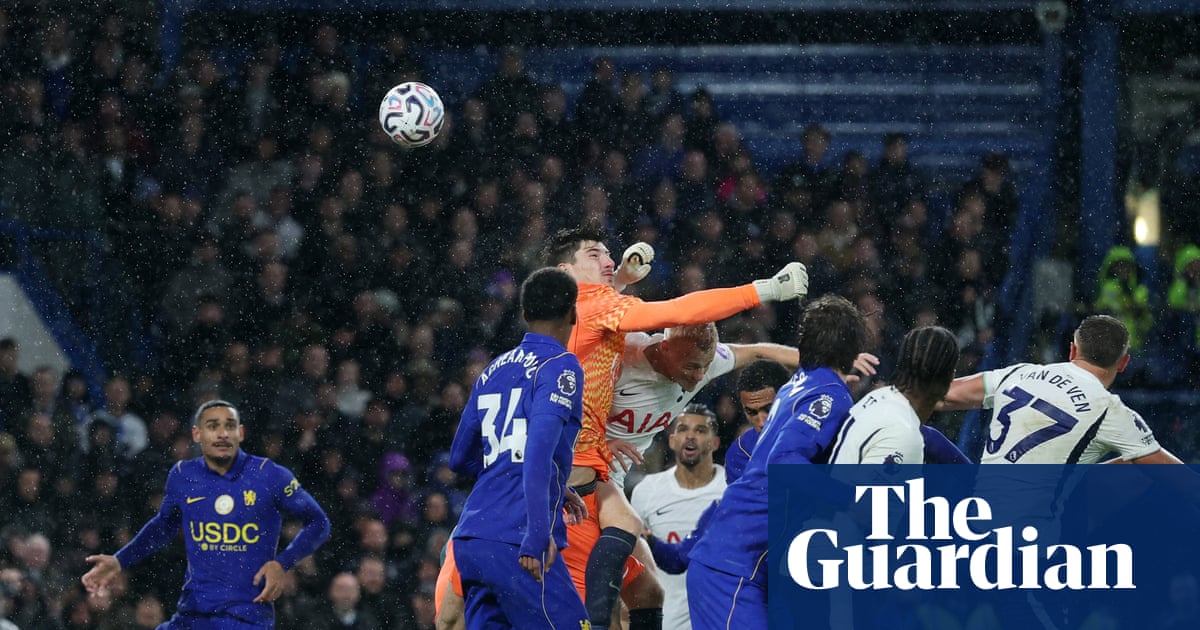
The match at Stamford Bridge took a surprising turn with 76 minutes gone and the score locked at 0-0. It felt like one of those surreal moments where everything seems out of sync, similar to trying to navigate an escalator backward.
Tottenham earned a corner on the left, and up until that point, the game had the vibe of a prolonged training session—like two middle-aged men meticulously organizing a dishwasher, each detail fussed over but ultimately mundane.
Then came a peculiar tactical shift. Austin MacPhee, Chelsea’s set-piece coach, was animated on the sidelines, signaling his players to push upfield and leave the box empty. The idea? To initiate a counterattack, a curious chess match unfolding right in front of us.
This wasn’t the first time we saw this strategy; a similar setup had occurred earlier in the match. On that occasion, ten players occupied positions further up the pitch, leaving just a few in the box. The ball found its way to the gaping hole, and cheers erupted.
This trend seems to have emerged from nowhere, like the rise of autonomous vehicles or Howard Webb’s sudden media presence. But it proved critical here.
As the second corner whipped in, the ball flew straight through the open area, and Mike Penders, in goal for Chelsea, inadvertently directed it into his own net. On a grim, rainy day, he wasn’t equipped to handle such a scenario without any cover.
MacPhee, who joined Chelsea after the club triggered his release clause from Aston Villa—yes, even set-piece coaches have those—strolled pensively down the touchline after the goal, deep in thought about the data.
While the own goal was largely Penders' mistake, it was also a product of the circumstances. The weather, the slick ball, and his lack of protection made it a perfect storm. Penders is known for his skill with the ball at his feet, but perhaps he should have been positioned differently to defend against that counter.
After the mishap, the game opened up. Shortly after, Cole Palmer received a second yellow card for a foul on Conor Gallagher, leaving Chelsea with ten men. Then, in the 87th minute, Mathys Tel struck a beautiful goal, darting upfield and finding the net low inside the near post. This prompted an animated response from Roberto De Zerbi, who couldn’t contain his joy.
Before that moment, the match felt like a tedious tactical standoff. While some might call it a fascinating battle of wits, it was more of a dull affair. At times, it felt as if the Stamford Bridge crowd was watching a non-existent press game, with players merely standing around.
By the end, two things were clear. First, Chelsea struggled immensely. The club's chaotic transition—marked by constant player turnover—left them devoid of any attacking threat, particularly without João Pedro, who was a glaring absence. Danny Welbeck sat on the bench, a puzzling decision.
Xabi Alonso deployed Palmer and Morgan Rogers in unconventional forward roles that left them lost on the pitch. Despite Alonso’s desire for attacking freedom, it often felt like they were just standing still, uncertain about their movements.
Chelsea’s lack of urgency was palpable throughout the game, and when Palmer picked up his first yellow card, the crowd reacted as if it were a moment of excitement—anything to shake off the monotony.
Instead of igniting a fierce London derby, Chelsea started in a lackluster mode, never finding their rhythm. By the 40-minute mark, Palmer had only touched the ball eight times, and Chelsea’s possession was a mere 27% at home against Spurs.
Conversely, Tottenham played with confidence. With Mateus Fernandes excelling in a deep midfield role, they secured one of their best results of the season—a significant boost for their manager, who thrived on the occasion.
De Zerbi, a blend of passion and tactical acumen, was a joy to observe. He demonstrated a keen understanding of the game, even as he reacted dramatically to minor missteps, showcasing the complexity of his team’s movements throughout the match.