Dortmund's Phone-Free Push: A Call for Presence or Control?
In the world of sports, keeping influencers out of the action makes sense. But Borussia Dortmund's latest move shows they are navigating a different, trickier challenge with their devoted fans.
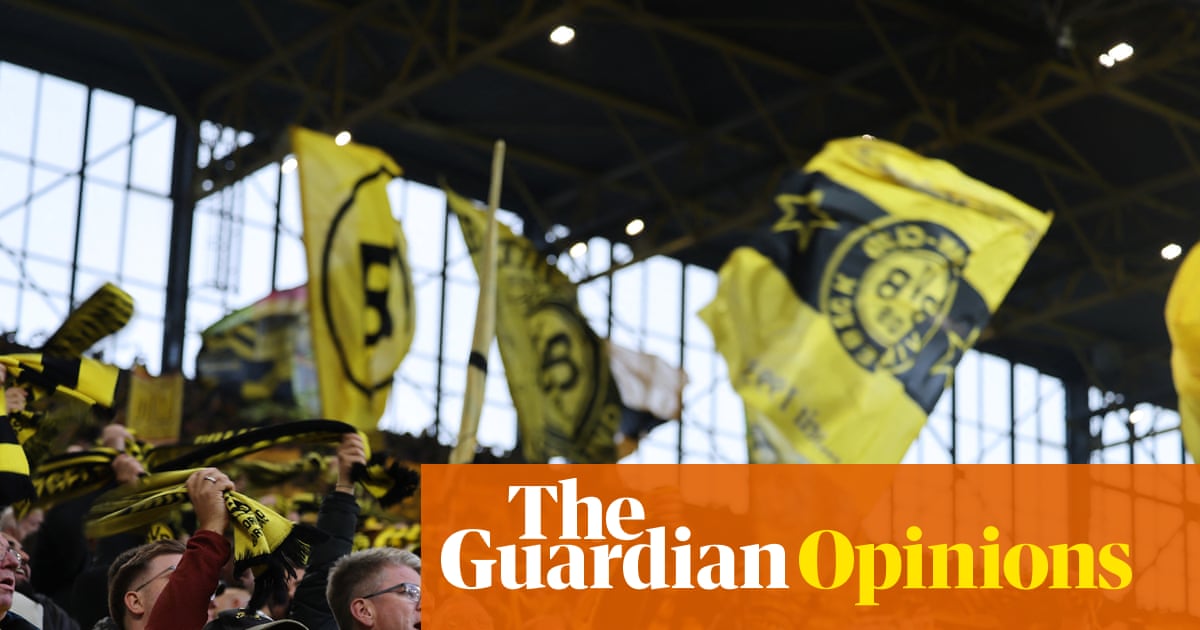
At Signal Iduna Park, everything seemed as vibrant as ever. The announcer called out Dortmund's starting players, and tens of thousands of voices echoed back their names in unison. Flags waved proudly over Europe’s largest standing terrace as the crowd witnessed Max Beier’s decisive goal, which secured a win against Eintracht Frankfurt, placing Dortmund level with Bayern Munich at the top of the Bundesliga.
Yet beneath this electric atmosphere lies a brewing controversy. Recently, Dortmund announced a rewards initiative encouraging fans to keep their phones away during matches. Those who participated could win signed jerseys and gift cards to the club's store. By using a feature dubbed “fan mode” on the club’s app, supporters could track how long they kept their devices untouched, earning points for every minute they stayed off their phones.
Dortmund isn’t alone in this battle against phone distractions. Other clubs like Hertha Berlin and Dynamo Dresden have outright banned influencer-style filming in their stadiums, worried about the impact on their fan experience and the integrity of their broadcast rights. Dortmund, too, appears eager to tackle the growing nuisance of influencers monetizing the match-day atmosphere.
This isn’t just a football issue—tennis tournaments have faced similar challenges. This year, the US Open felt more like an influencer gathering than a sports event, with chair umpires halting matches to address disruptive behavior from content creators. Wimbledon, on the other hand, has chosen to keep influencers out altogether, although they still find ways into the venue.
Dortmund's approach goes beyond just limiting phone usage; it raises deeper questions about how sports should be consumed. "Over 81,000 people in the stadium, singing, cheering, and holding their breath together: this here and now is irreplaceable," stated Dortmund CEO Carsten Cramer.
Marcel de Groot, CEO of Vodafone Germany, echoed this sentiment: "Anyone at a soccer game should experience the moment and the emotions—not just a cell phone screen." These remarks reflect a strong belief in the value of experiencing live sports in the moment, yet they also suggest a disconnect with how many fans prefer to engage.
This brings us to a pivotal question: should sports teams dictate how ticket-holding fans experience their matches? Musicians face similar dilemmas when performing to crowds filled with cell phones. Do fans have the right to engage however they choose, or does this detract from the live experience?
The debate hinges on whether sports are meant purely for entertainment, where spectators can sit back and absorb the action, or if they should be active participants in the atmosphere. If the latter is true, then being a fan may come with specific expectations and responsibilities.
How much should teams enforce their vision of fandom? Can they police the behavior of their supporters? As live soccer evolves, it raises questions about whether it’s simply content to consume or a shared experience deserving full attention.
In contrast to American sports leagues, where fans often follow cues from announcers and screens, global football prides itself on its organic atmosphere driven by its supporters. This is why many found the pre-game concerts at the World Cup finals disruptive, overshadowing the passionate fanfare of teams like Argentina.
Given Dortmund's strong fan-led culture, this debate is particularly poignant. The Bundesliga's commitment to fan ownership has cultivated an environment where supporters come first, with affordable tickets and policies prioritizing their experience. However, as clubs adapt to the pressures of modern sports, the challenge of balancing tradition with contemporary demands continues.
It seems the influencers will be managed, but changing the behavior of committed fans is a more complex task. In the end, supporters will express their feelings through their wallets.