Kylian Mbappé Faces Backlash in China After Controversial Remarks
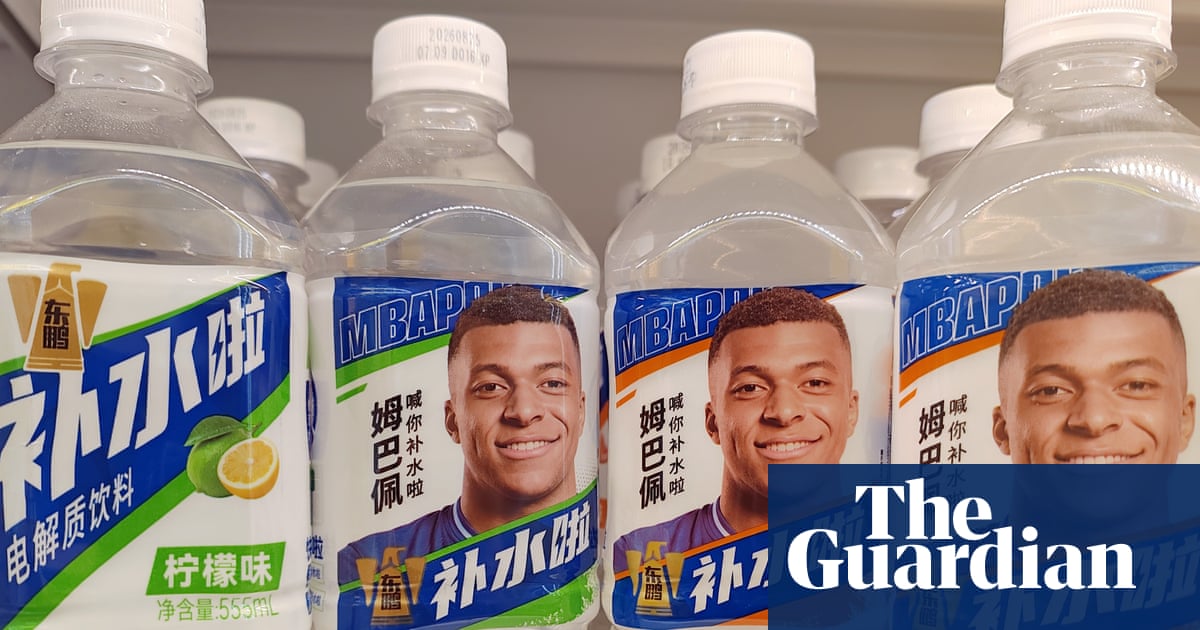
Kylian Mbappé has found himself in hot water after a video surfaced in which he jokingly referred to Mao Zedong as a dictator. This comment did not sit well in China, leading to the cancellation of partnerships with two significant brands, Dongpeng Beverage and Mengniu.
Both companies swiftly announced their decision to sever ties with the French football sensation. Dongpeng stated, "Our company firmly opposes and has a zero-tolerance policy towards any behaviour that offends national sentiments," effectively ending their collaboration with the World Cup star.
Mengniu, the largest dairy producer in China, echoed this sentiment, declaring, "With immediate effect our company is terminating all cooperation with Kylian Mbappe," and emphasized their commitment to respecting the feelings of the Chinese people.
Until this incident, Mbappé enjoyed immense popularity in China, where he was affectionately nicknamed “Guigui,” translating to “Turtle,” thanks to a meme featuring him as part of the Teenage Mutant Ninja Turtles franchise. However, the fallout from his remarks has drastically altered his standing.
The controversial video featured Mbappé mentioning that the funniest meme he had seen was one where his face was photoshopped onto that of “some guy – I think he’s a Chinese dictator.” This reference was widely interpreted as being about Mao, and it sparked outrage across Chinese social media platforms.
On Weibo, the topic of Dongpeng ending their cooperation with Mbappé became a trending issue, with users expressing their discontent over what they deemed "extremely serious wrong remarks" that crossed the line of acceptability. Calls for the company to remove his image from their products quickly followed, showcasing the strong sentiment among the public.
Chinese football outlet Dongqiudi joined the chorus, condemning Mbappé’s remarks as offensive and harmful to the sentiments of Chinese fans.
This isn’t the first time Mbappé has faced scrutiny over memes. In a prior interview, he addressed a different meme portraying him as a military dictator, acknowledging that while some might find humor in it, there are serious historical implications that shouldn’t be overlooked.
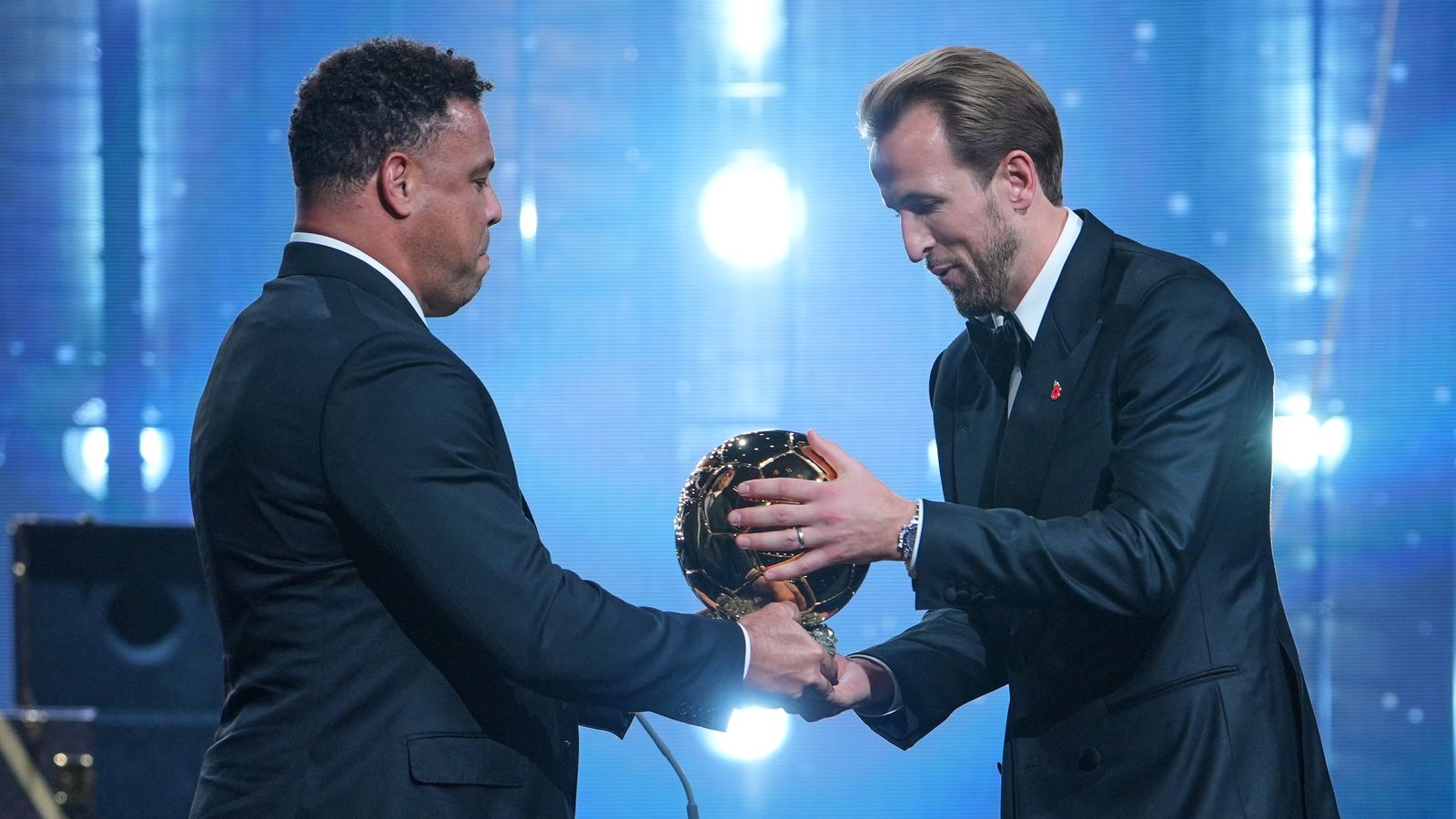
Interestingly, this controversy erupted just one day after Mbappé lost the Ballon d’Or to Harry Kane, further intensifying the media spotlight on him.
This incident underscores the potential pitfalls for global athletes when discussing sensitive political topics. Previous cases, like that of former NBA player Dwight Howard, who referred to Taiwan as a country, have led to significant backlash and sponsor withdrawals in China, demonstrating the high stakes involved.