The Lasting Legacy of Stanley Matthews: A Lesson for Harry Kane
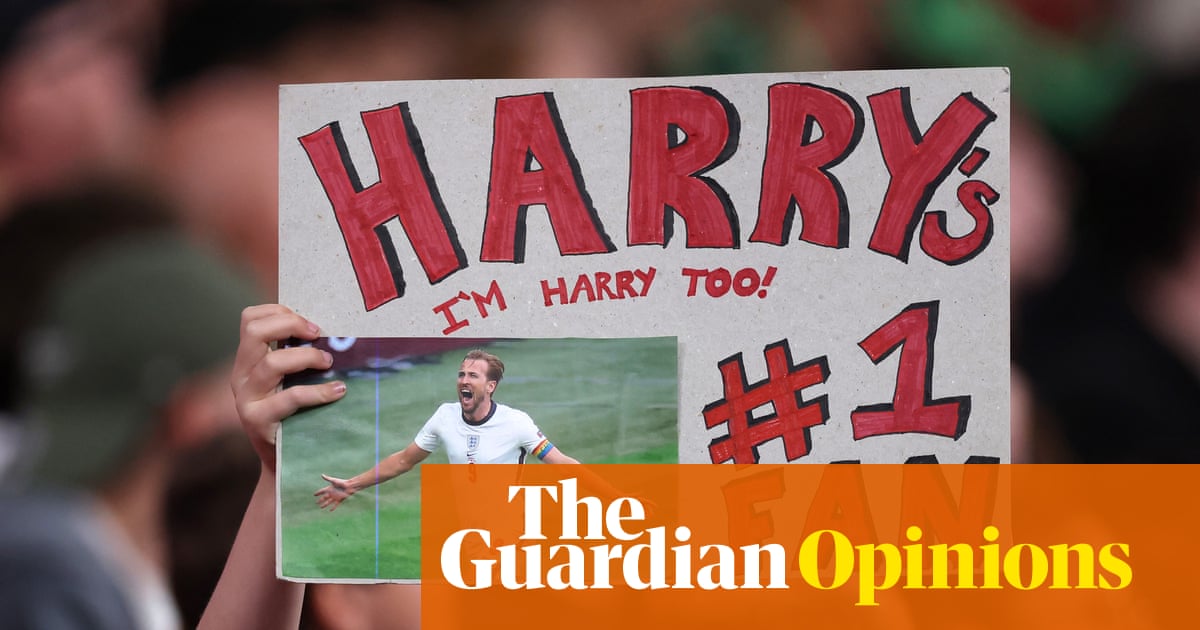
In 1956, the legendary Stanley Matthews was celebrated for his remarkable individual talent, a quality that makes Harry Kane a top contender for today’s awards.
The shift to systems-based football began at Wembley in 1963, triggered by a controversial foul from Gino Pivatelli. This moment in the European Cup final marked a turning point, as Milan's tactical approach eclipsed the artistry of individual players like Mário Coluna, who suffered a broken foot during the match. Milan’s 2-1 victory not only secured their first European title but also ushered in a new era where teamwork took precedence over individual flair.
However, there are nuances to this evolution. Zinedine Zidane's Real Madrid thrived on individual brilliance, while Thomas Tuchel's Chelsea and Pep Guardiola's Manchester City leaned heavily on cohesive team strategies. Yet, since the dawn of catenaccio, football has predominantly become a team sport.
This context makes individual awards, such as the Ballon d’Or, feel somewhat peculiar. Even in successful squads, the balance between individual talent and team dynamics can create friction—sometimes sparking creativity but often leading to disappointment when overreliance on a single player occurs.
When the Ballon d’Or was first introduced in 1956, this tension was less visible. Back then, there was no social media to amplify criticism, which made the selection process appear less contentious than it is today. The Hungarian vote was split among greats like Ferenc Puskás, József Bozsik, and Sándor Kocsis, highlighting a dilemma still faced by successful teams. Interestingly, this award came just after a tumultuous political uprising in Hungary, making it fortunate that none of the players from that country emerged victorious.
Looking back, Matthews' selection seems curious. Blackpool finished second in the First Division that year, but they trailed Manchester United by a significant margin and exited the FA Cup early. Was there no room for legends like Duncan Edwards, Tommy Taylor, or even Bert Trautmann, who played through injury in the Cup final?
Consider Alfredo Di Stéfano, who led Real Madrid to the first European Cup title, or the Athletic Bilbao players fresh from winning La Liga. Matthews, at 38, appeared to receive the award as a nod to his enduring career rather than his immediate impact.
Perhaps it’s appropriate to honor longevity in football. The Ballon d’Or isn't merely about yearly victories; if it were, players like Fabián Ruiz, who had a stellar season, would be frontrunners. Yet, despite his talent, Ruiz isn't regarded as the standout player for either PSG or Spain.
According to its guidelines, the Ballon d'Or is based on three main criteria: individual performance, team achievements, and sportsmanship. The challenge lies in identifying the 'complete' player who embodies these qualities.
Team achievements are typically easier to assess. Under Luis Enrique, PSG has moved past individual egos, but pinpointing the most crucial member of their trio is tough. Ousmane Dembélé may have shone last year, while Khvicha Kvaratskhelia stood out this year, but does a player from a nation that missed the World Cup have a shot at the top honor?
In the context of European football, Arsenal’s triumph last season, winning the Premier League and reaching the Champions League final, seems monumental. Yet, only three Arsenal players made the 30-man shortlist, and none had standout World Cups.
Spain, too, lacked standout stars during their World Cup run, relying on a solid midfield. Rodri exemplifies their approach, but his limited involvement at Manchester City last season complicates his candidacy.
Meanwhile, Real Madrid experienced one of their rare trophyless seasons, which dims the prospects for players like Kylian Mbappé and Jude Bellingham. Lionel Messi had memorable moments at the World Cup, but playing in MLS may hinder his chances. This situation opens the door for recognizing someone who had a strong year, even if they fell short in the biggest tournaments.